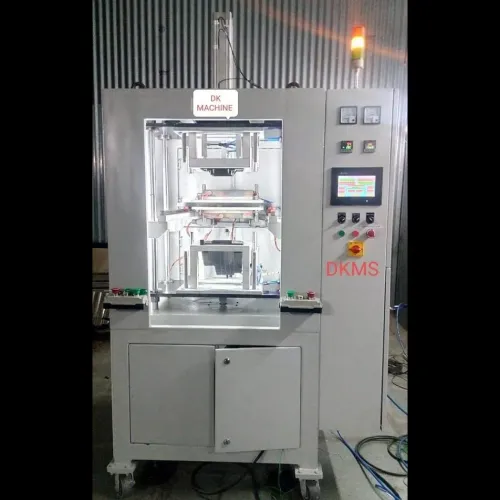
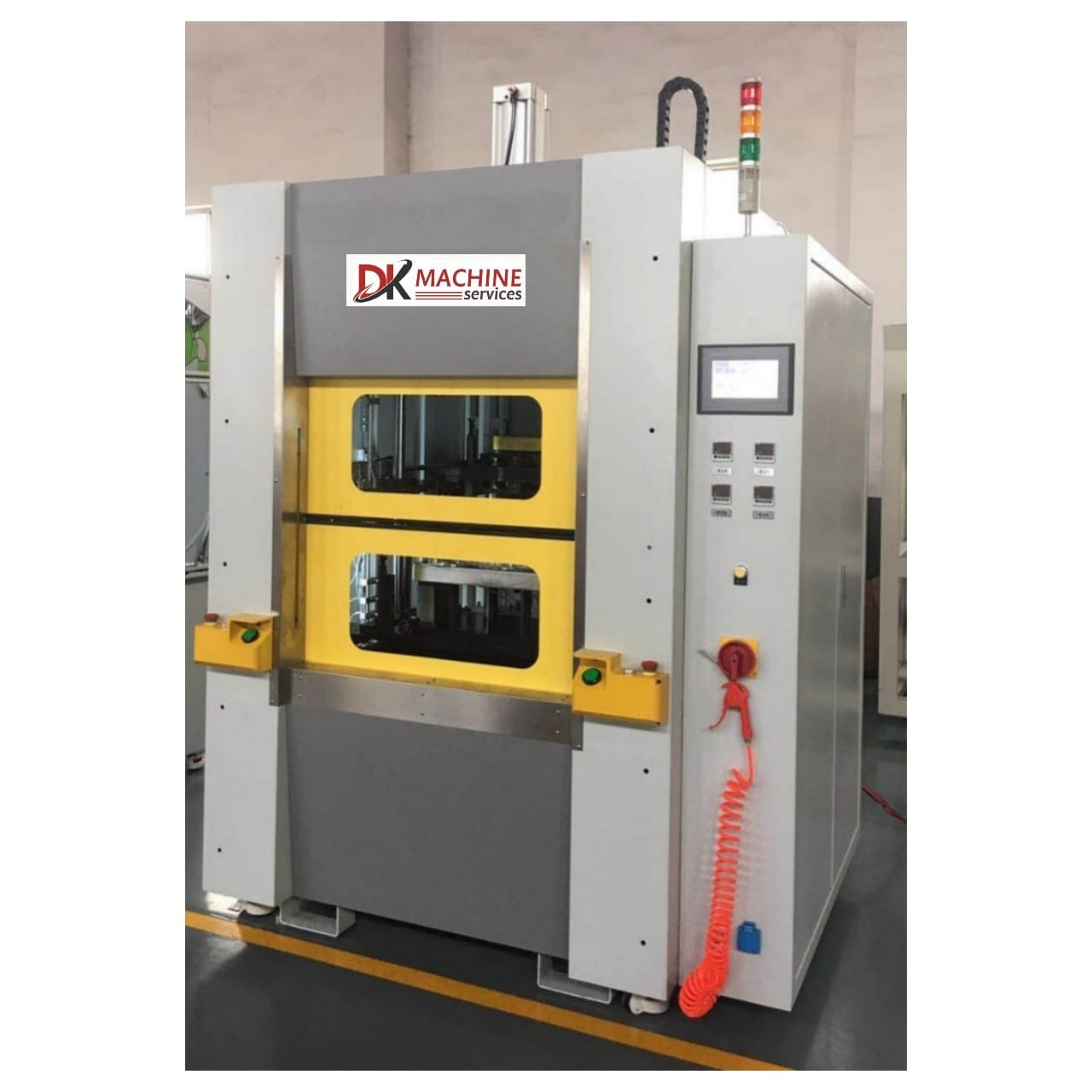
The growing demand for mobile phones, charging accessories and electronic power adapters has increased the need for reliable plastic component assembly solutions. Mobile charger and adapter manufacturers require strong, precise and consistent joining techniques to assemble plastic housings without affecting the appearance or functionality of electronic products.
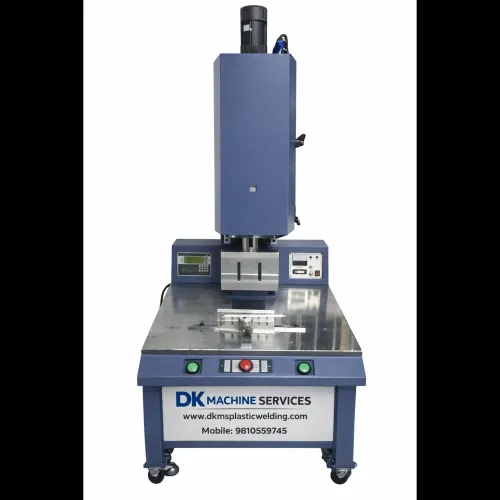
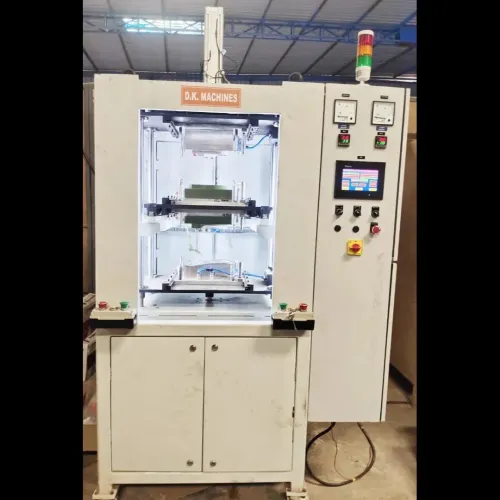
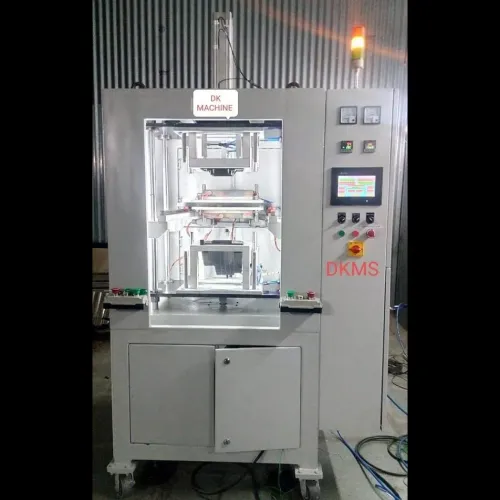
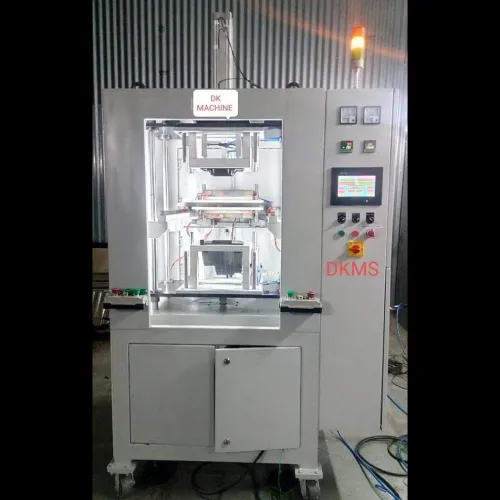
An ultrasonic plastic welding machine is an effective industrial solution for joining compatible thermoplastic components used in charger bodies, adapter enclosures and electronic accessories. It uses high-frequency mechanical vibrations to generate localized heat at the joining interface, allowing plastic components to bond without conventional adhesives or external heating elements.
For electronics manufacturers in Greater Noida, investing in suitable ultrasonic welding technology can improve assembly consistency, reduce manual joining operations and support efficient production. DKMS Plastic Welding provides industrial plastic welding solutions for manufacturers looking for dependable component joining equipment.
What Is an Ultrasonic Plastic Welding Machine for Mobile Charger Manufacturing?
An ultrasonic plastic welding machine is specialized equipment used to join compatible thermoplastic parts through high-frequency vibrations and controlled pressure.
During the welding process, two plastic components are positioned together using a specially designed fixture. The ultrasonic horn transfers mechanical vibrations to the joining area, generating localized frictional heat. This heat softens the plastic interface, allowing the materials to fuse under pressure.
After the vibration stops, the joint cools and solidifies to form a bonded connection.
This process is particularly useful for electronic product manufacturers who need repeatable assembly results, clean joining surfaces and efficient production cycles.
Applications in Mobile Charger and Power Adapter Manufacturing
Ultrasonic welding technology can be used in several plastic assembly applications within the electronics manufacturing industry.
1. Mobile Charger Plastic Housing Assembly
Mobile charger manufacturers use plastic enclosures to protect internal electronic components. Ultrasonic welding can join compatible housing sections to create a secure and uniform assembly.
2. Power Adapter Enclosure Welding
Power adapters generally contain molded plastic outer housings. Ultrasonic welding can help join the enclosure components with controlled pressure and vibration, depending on the product design and material compatibility.
3. USB Charger Body Assembly
Manufacturers producing USB charging accessories can use ultrasonic welding for joining suitable plastic body components where a permanent bonded joint is required.
4. Electronic Accessory Manufacturing
The technology is also applicable to compatible plastic enclosures used in charging accessories, electronic connectors, small electrical devices and consumer electronic products.
5. Plastic Component Assembly for Electronic Devices
Ultrasonic welding can support joining applications involving molded plastic covers, protective housings and other thermoplastic components used in electronic equipment.
How Does Ultrasonic Plastic Welding Work?
The ultrasonic welding process involves several controlled stages to achieve a consistent plastic joint.
Component Positioning: The charger housing or adapter components are placed in a specially designed fixture to maintain accurate alignment.
Ultrasonic Vibration: The welding horn transfers high-frequency mechanical vibrations to the plastic joining interface.
Heat Generation: Localized heat develops at the contact area due to friction and material deformation, softening the compatible thermoplastic surfaces.
Pressure Application: Controlled force helps bring the softened surfaces together to create a bonded joint.
Cooling and Solidification: Once the vibration cycle ends, the material cools under pressure and forms a permanent joint.
The welding parameters must be adjusted according to plastic material, component dimensions, joint design and production requirements.
Benefits of Using Ultrasonic Welding Machines for Charger Manufacturing
Consistent Assembly Quality
Ultrasonic welding provides controlled joining conditions that can help manufacturers achieve repeatable results across production batches.
Faster Production Cycles
The process can offer short welding cycles, making it suitable for automated and semi-automated electronics assembly operations.
No Conventional Adhesive Requirement
Compatible thermoplastic components can be joined without using conventional adhesives, reducing adhesive-related handling and curing requirements.
Clean and Professional Finish
Properly designed ultrasonic joints can provide a neat appearance without external screws or visible adhesive lines at the joining interface.
Reduced Manual Assembly Work
The use of industrial welding equipment can reduce dependence on manual joining processes and improve production workflow.
Suitable for High-Volume Manufacturing
With appropriate fixtures, automation and process settings, ultrasonic welding can support repeatable assembly in large-scale charger and adapter manufacturing facilities.
Which Plastic Materials Can Be Used for Ultrasonic Welding?
Material selection is important when choosing an ultrasonic welding machine for mobile charger and adapter production.
Common thermoplastics used in electronic housings include ABS, polycarbonate (PC), polypropylene (PP) and certain compatible plastic blends.
However, not every plastic combination is suitable for ultrasonic welding. Material compatibility, moisture content, component geometry, joint design and filler composition can influence the final welding quality.
Manufacturers should conduct application trials before finalizing machine specifications for production.
How to Select the Right Ultrasonic Plastic Welding Machine in Greater Noida?
Before purchasing an ultrasonic plastic welding machine, electronics manufacturers should evaluate their actual production requirements.
Operating Frequency: Select a suitable ultrasonic frequency according to component size, material and welding application.
Welding Capacity: Consider the dimensions and geometry of the mobile charger or adapter housing.
Control System: Evaluate available digital controls, welding time settings, pressure control and process monitoring features.
Fixture Design: Ensure that the fixture supports accurate positioning and repeatable component assembly.
Production Volume: Select a machine configuration that matches the required production output and future expansion plans.
Technical Support: Choose a manufacturer that can assist with application evaluation, machine configuration, installation and operational guidance.
Why Choose DKMS Plastic Welding in Greater Noida?
DKMS Plastic Welding provides industrial plastic welding machinery and solutions for manufacturers working with thermoplastic components.
For mobile charger and power adapter manufacturers, selecting the correct welding equipment involves understanding the product design, material specifications, joint requirements and production targets.
DKMS Plastic Welding can help businesses evaluate suitable ultrasonic welding configurations for electronic plastic component assembly applications.
Manufacturers looking for ultrasonic plastic welding machines in Greater Noida can discuss their requirements, component samples and production expectations to identify an appropriate machine solution.
Frequently Asked Questions (FAQs)
1. Which machine is used for joining mobile charger plastic housings?
An ultrasonic plastic welding machine can be used to join compatible thermoplastic charger housing components through high-frequency vibrations and controlled pressure.
2. Can ultrasonic welding be used for mobile charger and power adapter manufacturing?
Yes. Ultrasonic welding is suitable for many thermoplastic enclosure assembly applications in mobile charger and power adapter manufacturing, subject to material compatibility and product design.
3. Which plastic materials are suitable for ultrasonic welding?
ABS, polycarbonate and other compatible thermoplastics are commonly used. The suitability of each material depends on its composition, joint design and processing characteristics.
4. Is ultrasonic welding better than adhesive joining for charger housings?
Ultrasonic welding can eliminate conventional adhesive application and curing steps for suitable plastic joints. The better option depends on product design, material compatibility, strength requirements and manufacturing conditions.
5. Can ultrasonic plastic welding machines support mass production?
Yes. With suitable tooling, fixtures and automation, ultrasonic welding machines can support repeatable, high-volume plastic component assembly.
6. What factors affect ultrasonic welding quality?
Important factors include welding frequency, amplitude, pressure, welding time, holding time, plastic material, component geometry and fixture accuracy.
7. Where can manufacturers find ultrasonic plastic welding machines in Greater Noida?
Manufacturers can contact DKMS Plastic Welding to discuss ultrasonic welding machine requirements for mobile charger housings, adapter enclosures and other compatible electronic plastic components.
Conclusion
Ultrasonic plastic welding technology plays an important role in modern electronics manufacturing by providing a controlled and efficient method for joining compatible thermoplastic components. For mobile charger and power adapter manufacturers in Greater Noida, the technology can support consistent assembly quality, faster production cycles and reduced dependence on conventional adhesive joining.
Choosing the right machine requires careful consideration of plastic materials, component design, production capacity and welding specifications.
Looking for an ultrasonic plastic welding machine for mobile charger or adapter manufacturing in Greater Noida?
Contact DKMS Plastic Welding to discuss your application requirements and explore suitable industrial plastic welding solutions for your manufacturing facility.
Keywords