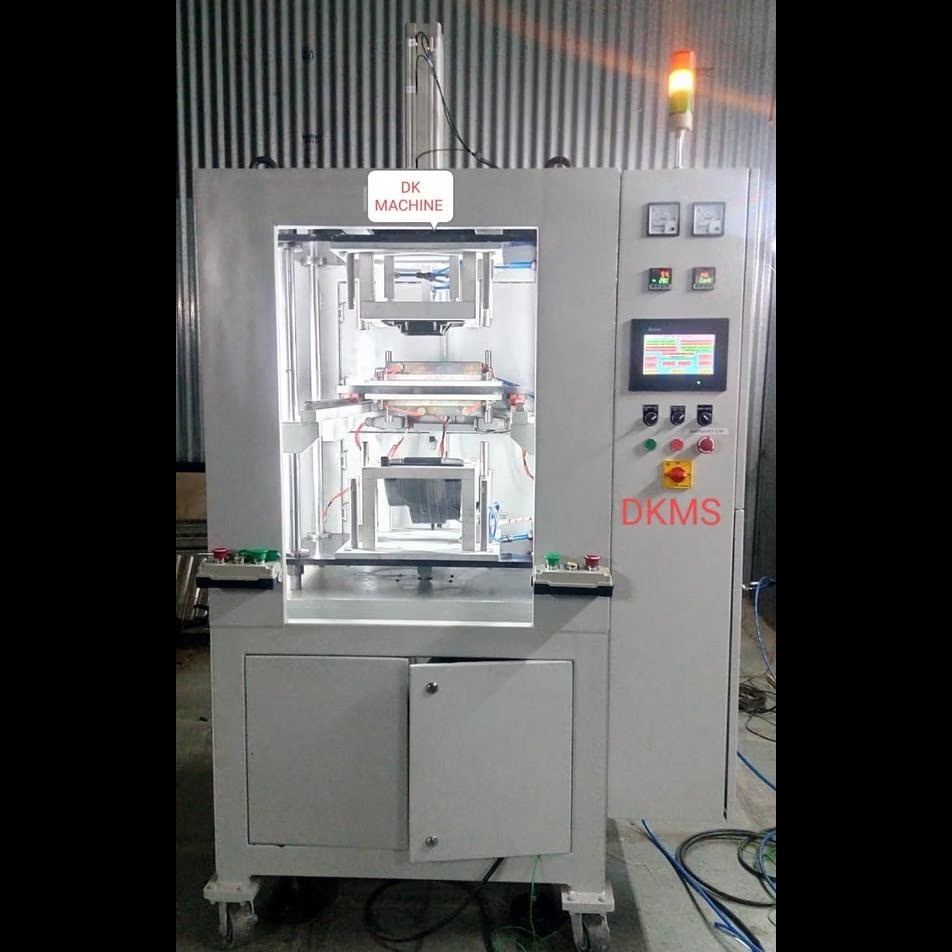
Choose the Right Ultrasonic Welding Machine for Your Plastic Parts
Choosing the best ultrasonic plastic welding machine depends on the plastic material, component dimensions, joint design, required weld strength, and production volume. Small electronic housings, automotive components, electrical enclosures, and large plastic assemblies may require different machine configurations, ultrasonic frequencies, power ratings, and tooling arrangements.
DK Machine Service provides ultrasonic plastic welding machinery and customized welding solutions for industrial applications. By evaluating the actual component and manufacturing requirements, businesses can identify a suitable machine for consistent plastic joining and efficient production.
What Is the Best Ultrasonic Plastic Welding Machine for Different Components?
There is no single ultrasonic welding machine that is ideal for every plastic component. The correct selection depends on how much ultrasonic energy the joint requires, how the component is positioned, and how consistently the welding process must operate.
For small thermoplastic components, a suitable ultrasonic welding system with application-specific tooling may provide the required joining performance. For larger components or demanding weld areas, manufacturers may need a different frequency, higher power capacity, or customized horn and fixture design.
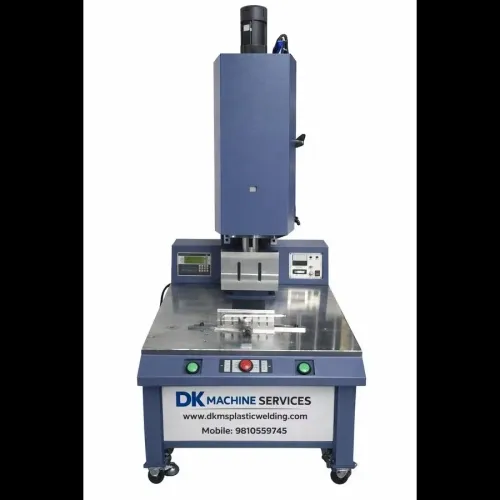
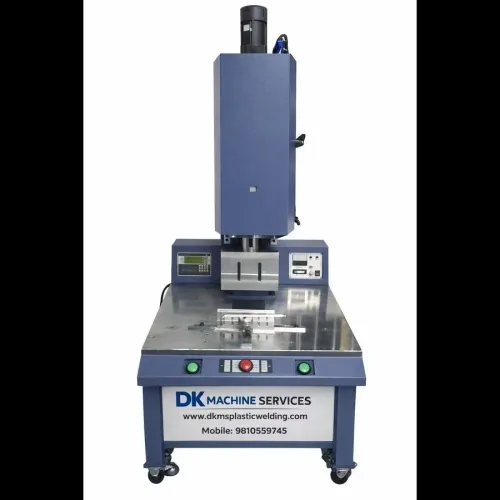
Digital ultrasonic welding machines can be useful when operators need adjustable welding parameters and repeatable process settings. For specialized component geometries or production requirements, a customized machine configuration may be more appropriate than a standard setup.
Which Machine Is Suitable for Automotive Plastic Components?
Automotive manufacturing involves a wide variety of plastic parts, including interior assemblies, instrument-panel components, electrical housings, connectors, and selected sensor enclosures.
The appropriate ultrasonic welding machine depends on the component size, material combination, joint location, required weld strength, and production cycle. Components with larger joining areas or more demanding assembly requirements may need carefully selected machine output and application-specific tooling.
For automotive suppliers, repeatability is especially important when manufacturing the same component in large quantities. Digital control features, suitable fixtures, and validated welding parameters can help maintain consistent production conditions.
Before selecting a machine, manufacturers should evaluate component drawings, material grades, joint geometry, and expected daily production.
Which Ultrasonic Welding Machine Is Best for Electronic Plastic Housings?
Electronic products often use plastic housings, sensor covers, switch enclosures, and protective casings that require controlled joining.
A suitable ultrasonic welding machine can join compatible thermoplastic components without requiring separate adhesives or mechanical fasteners at the joint. However, the correct setup depends on the housing dimensions, wall thickness, internal features, material properties, and the location of sensitive electronic parts.
For repeated production, a digital ultrasonic plastic welding machine may be beneficial because it allows operators to configure and reproduce welding parameters. The horn and fixture should also be designed to apply energy to the intended joint without damaging nearby features.
Manufacturers should test representative components before finalizing the equipment for production.
What Type of Machine Is Suitable for Electrical Connectors and Switch Components?
Electrical products may contain plastic connectors, switch housings, terminal covers, and insulating enclosures. These components can require accurate positioning and controlled welding to avoid damage to internal features.
Machine selection should account for component dimensions, joint accessibility, material compatibility, and the need to protect metal contacts or other sensitive elements during assembly.
A properly designed fixture helps position the parts accurately, while a suitable ultrasonic horn directs vibration toward the intended joining area. For complex assemblies, customized tooling or a specialized welding arrangement may be required.
The final setup should be validated against the component's mechanical, electrical, and dimensional requirements.
Which Machine Should You Choose for Small Plastic Parts?
Small plastic parts generally require careful control of component positioning and energy delivery. Excessive energy or unsuitable tooling can deform the part, while insufficient energy may result in a weak or incomplete joint.
A suitable machine should be selected based on the material, joint design, dimensions, and required production output. The horn must match the component's welding area, and the fixture should hold the parts securely throughout the welding cycle.
For small electronic and consumer-product components, application testing is a practical way to establish the correct machine configuration and process settings.
Which Ultrasonic Welding Machine Is Suitable for Large Plastic Parts?
Larger plastic components may require a different approach because their dimensions, joint length, and structural design influence how ultrasonic energy reaches the joining surface.
Depending on the application, manufacturers may need a suitable lower-frequency system, an appropriate power rating, a specially designed horn, or a customized fixture. Larger parts are not automatically suited to a higher-wattage machine; the joint design and energy distribution must also be considered.
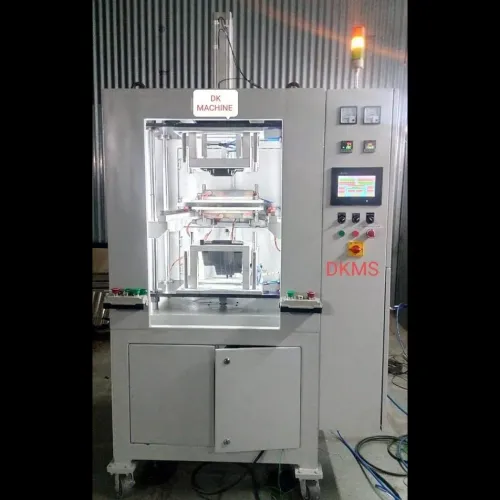
When a component has an extensive joining area or requires a joining process unsuitable for ultrasonic welding, alternative technologies such as hot plate welding may be worth evaluating.
Digital vs. Conventional Ultrasonic Plastic Welding Machines
Digital ultrasonic welding machines provide electronic control of selected welding parameters, and some systems include automatic frequency tuning, process monitoring, and production counting.
Conventional systems may be suitable for applications with simpler operating requirements. Digital systems can be advantageous where manufacturers need to manage welding settings consistently across repeated production cycles.
The best choice depends on the required level of control, operator workflow, production volume, and application complexity. Buyers should compare actual machine features rather than relying on the digital or conventional label alone.
Why Ultrasonic Horn and Fixture Selection Matters
Selecting the right machine is only one part of the welding process. The ultrasonic horn transfers mechanical vibration to the component, while the fixture maintains the correct position during joining.
An unsuitable horn can distribute energy unevenly or affect the appearance and strength of the weld. Poor fixture design can cause component movement, inconsistent contact, or dimensional variation.
For this reason, manufacturers should consider the horn, booster, transducer, fixture, and welding parameters as parts of a complete system. Application-specific tooling can be particularly important for components with unusual shapes, narrow welding areas, or multiple joining points.
How to Select the Right Ultrasonic Welding Machine
Before requesting a quotation, manufacturers should prepare the following information.
Plastic material: Identify the exact thermoplastic grades being joined and whether the parts use the same or different materials.
Component design: Share drawings, dimensions, wall thickness, joint geometry, and the location of the intended weld.
Production requirements: Specify expected output, cycle-time targets, operating hours, and the required level of automation.
Welding performance: Explain the required joint strength, appearance, sealing performance, and any critical dimensional or functional requirements.
Tooling and installation: Confirm fixture requirements, available utilities, operating space, and any integration needs.
Providing a sample component and clear technical details allows the machine supplier to assess the application more accurately. Where necessary, sample welding trials can help verify whether the proposed machine and tooling meet the intended requirements.
Why Choose DK Machine Service?
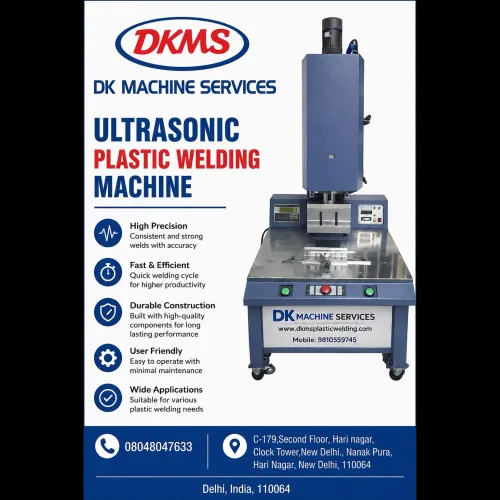
DK Machine Service manufactures and supplies plastic welding machinery for industrial applications. Its product range includes analog ultrasonic plastic welding machines, digital ultrasonic plastic welding machines, hot plate welding machines, ultrasonic components, and customized welding solutions.
The company can evaluate different plastic joining requirements based on component design, material characteristics, production volume, and tooling needs. This application-focused approach helps buyers consider the complete welding system rather than selecting equipment based on frequency or wattage alone.
For manufacturers developing a new product or improving an existing assembly process, the objective is to identify a suitable machine configuration that meets technical and commercial requirements.
Frequently Asked Questions
Which ultrasonic plastic welding machine is best for PP components?
The best machine depends on the polypropylene grade, component geometry, joint design, required weld strength, and production volume. Machine output, frequency, horn design, and process settings should be evaluated together.
Can one ultrasonic welding machine weld different plastic components?
A machine may handle multiple compatible components when its operating range and tooling support the applications. Different parts may require separate horns, fixtures, and validated welding settings.
Is a digital ultrasonic welding machine better for industrial production?
Digital systems can offer improved parameter management and repeatability for suitable applications. Whether they are the best choice depends on production requirements, required process controls, and budget.
How do I choose the correct ultrasonic welding frequency?
Frequency selection depends on component size, material, joint design, tooling, and the required welding performance. Buyers should obtain an application-specific recommendation instead of selecting frequency based on a general rule alone.
Can ultrasonic welding join ABS and polycarbonate components?
Certain ABS and polycarbonate grades can be ultrasonically welded, but compatibility and joint performance depend on the exact materials, component design, and processing conditions. Testing is recommended before production approval.
What details are required to purchase an ultrasonic plastic welding machine?
Provide the component drawing or sample, plastic material, weld location, required joint performance, expected production quantity, and preferred automation level. These details help determine the appropriate machine and tooling configuration.
Request an Ultrasonic Plastic Welding Machine Quotation
Looking for the right ultrasonic plastic welding machine for automotive parts, electronic housings, electrical components, or other plastic assemblies?
Contact DK Machine Service to discuss your application requirements. Share your component drawing or sample, material details, required production output, and welding objectives to help identify a suitable machine and tooling solution.
DK Machine Service — Industrial Ultrasonic Plastic Welding Solut
Website: https://www.dkmsplasticwelding.com/
Keywords