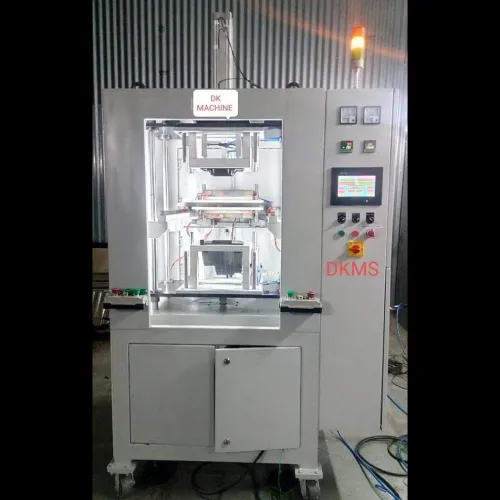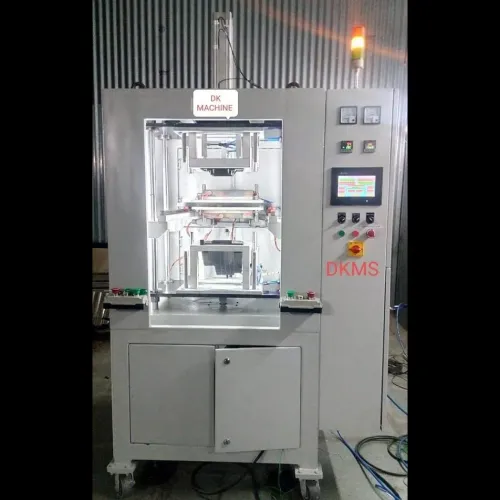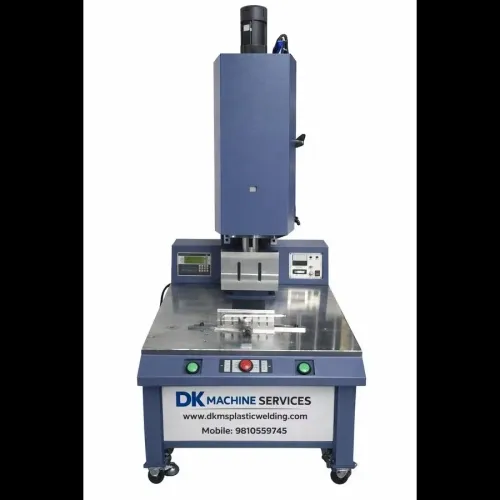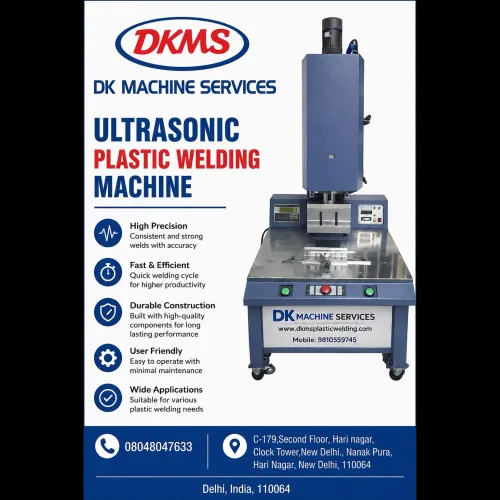
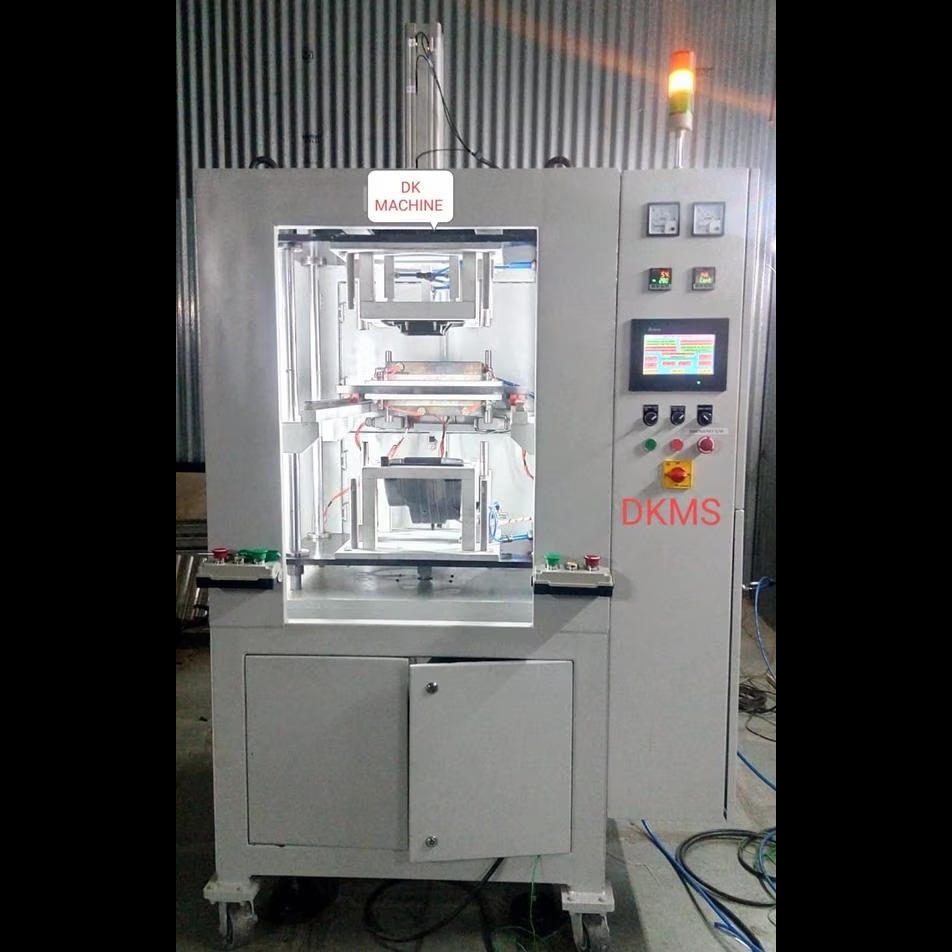
Ultrasonic plastic welding is widely used in industries where strong, accurate and reliable plastic component joining is required. From automotive parts and electrical components to electronic housings, medical products and plastic packaging, manufacturers depend on ultrasonic welding technology for efficient production.
When selecting an ultrasonic plastic welding machine, one common question is whether to choose an analog or digital ultrasonic welding system. Both machines use high-frequency mechanical vibrations to join thermoplastic components, but they differ in control technology, parameter adjustment, monitoring capabilities and production requirements.
Understanding the difference between analog and digital ultrasonic welding machines can help manufacturers select the right equipment according to their application, production volume and quality expectations.
1. What Is an Analog Ultrasonic Plastic Welding Machine?
An analog ultrasonic plastic welding machine uses traditional electronic control systems to operate the ultrasonic welding process. Operators generally adjust welding parameters through physical knobs, switches and control settings, depending on the machine model.
These machines are commonly considered for standard plastic welding applications where the production process is relatively simple and the welding requirements remain consistent.
Analog ultrasonic welding machines can be suitable for small and medium-scale manufacturing operations that require a straightforward welding solution without advanced digital monitoring features.
Their relatively simple operating arrangement can also make them an option for businesses looking for an economical machine configuration.
2. What Is a Digital Ultrasonic Plastic Welding Machine?
A digital ultrasonic plastic welding machine uses a microprocessor-based control system to manage and adjust important welding parameters.
Depending on the model, operators can configure welding time, amplitude, energy and other process settings through a digital display or control panel.
Some advanced digital systems also provide automatic frequency tracking, programmable welding modes, fault monitoring and process data storage.
These capabilities can help manufacturers improve process repeatability, monitor production performance and maintain consistent welding conditions across multiple production cycles.
Digital ultrasonic welding machines are particularly useful for manufacturing applications where accurate parameter control and process monitoring are important.
3. What Is the Difference Between Analog and Digital Ultrasonic Welding Machines?
The major difference lies in the control technology and the level of process monitoring available.
Analog Ultrasonic Welding Machine
Analog systems generally use traditional controls for setting welding parameters. Their operation is comparatively straightforward and they can be suitable for standard applications with stable production requirements.
Digital Ultrasonic Welding Machine
Digital systems use electronic control interfaces to configure welding parameters. Depending on the machine, they may provide more precise parameter adjustment, multiple welding modes, automatic frequency tracking and production monitoring.
For manufacturers handling different plastic components or requiring repeatable welding conditions, digital technology can offer additional operational flexibility.
4. Analog vs Digital Ultrasonic Welding Machine: Feature Comparison
Features
Analog Machine
Digital Machine
Control system
Traditional electronic controls
Microprocessor-based controls
Parameter setting
Manual adjustment
Digital parameter setting
Display
Basic indicators or meters
Digital display or touchscreen
Amplitude adjustment
Depends on model
Often digitally adjustable
Welding modes
Generally basic
Multiple modes may be available
Frequency tracking
Model dependent
Automatic tracking commonly available
Process monitoring
Basic
Advanced monitoring options
Data storage
Usually limited
Available in selected models
Application
Standard welding jobs
Standard and precision applications
Investment
Often economical
Depends on features and configuration
Note: Actual features vary by manufacturer and machine model. Not every digital machine includes all advanced functions.
5. Which Ultrasonic Welding Machine Is Better for Industrial Manufacturing?
The right choice depends on the type of plastic components being manufactured, production volume, required welding quality and process control expectations.
An analog ultrasonic welding machine may be suitable for manufacturers handling repetitive jobs with consistent material specifications and straightforward welding requirements.
A digital ultrasonic welding machine can be a better choice when manufacturers need to adjust parameters for different products, maintain repeatable settings or monitor the welding process.
For automotive, electrical, electronics and other precision-oriented manufacturing applications, advanced digital control features may provide valuable production advantages.
6. What Are the Benefits of Digital Ultrasonic Plastic Welding Machines?
Digital ultrasonic welding systems offer several features that can support modern industrial production.
Accurate Parameter Adjustment: Digital controls allow operators to set welding parameters more precisely according to the requirements of different plastic components.
Improved Process Consistency: Stored settings and repeatable parameter configurations can help maintain similar welding conditions across production batches.
Multiple Welding Modes: Depending on the model, manufacturers may have access to time, energy, peak power or other welding modes.
Automatic Frequency Tracking: Selected digital generators can automatically track operating frequency to help maintain stable ultrasonic performance.
Fault Monitoring: Advanced systems may display overload conditions, system faults and operating warnings, making troubleshooting easier.
Production Monitoring: Certain machines support weld counters, process data storage and external communication interfaces.
7. Which Industries Use Analog and Digital Ultrasonic Welding Machines?
Both technologies are used across industries that manufacture thermoplastic components.
Automotive Industry
Ultrasonic welding is used for joining plastic automotive components, interior parts, housings and selected dashboard assemblies.
Electrical and Electronics Industry
Manufacturers use ultrasonic welding for electrical switch housings, connectors, electronic enclosures and plastic component assemblies.
Medical Equipment Manufacturing
Suitable ultrasonic welding systems are used for assembling compatible thermoplastic medical products and selected disposable components where controlled joining is required.
Packaging Industry
Ultrasonic technology can be used for sealing and assembling selected thermoplastic packaging components.
Household Appliances
Plastic housings, control panels and other compatible appliance components can be assembled using ultrasonic welding technology.
8. How to Choose Between Analog and Digital Ultrasonic Welding Machines?
Before purchasing an ultrasonic plastic welding machine, manufacturers should evaluate their actual production requirements.
First, identify the plastic material and component dimensions. Different materials and product designs require different welding conditions.
Next, evaluate the required welding frequency, output power, amplitude and tooling configuration. The selection of the ultrasonic horn, booster and converter is equally important for achieving the desired welding results.
Manufacturers should also consider whether their production requires basic manual settings or advanced digital monitoring and parameter control.
Finally, compare the machine's technical specifications, safety features, after-sales support and availability of spare parts before making a purchasing decision.
Testing actual components with the proposed machine and tooling is a practical way to evaluate the suitability of the welding system.
9. Why Choose DKMS Plastic Welding for Ultrasonic Welding Solutions?
Selecting the right ultrasonic welding equipment is important for achieving reliable plastic component assembly and efficient manufacturing operations.
DKMS Plastic Welding offers ultrasonic plastic welding machinery and related equipment solutions for industrial applications. Businesses looking for analog or digital ultrasonic welding systems can explore suitable machine configurations based on their production requirements.
Whether you require a standard ultrasonic welding machine, a digital ultrasonic welding system or specialised welding equipment, selecting the appropriate technology and tooling is essential for achieving consistent production results.
Visit https://www.dkmsplasticwelding.com/ to explore available plastic welding machinery and equipment solutions.
Contact DKMS Plastic Welding to discuss your application requirements, machine specifications and customised industrial welding solutions.
Frequently Asked Questions About Analog and Digital Ultrasonic Welding Machines
Q1. What is the main difference between analog and digital ultrasonic welding machines?
The main difference is their control system. Analog machines generally use traditional electronic controls, while digital machines use microprocessor-based systems for parameter adjustment and, depending on the model, advanced process monitoring.
Q2. Is a digital ultrasonic welding machine better than an analog machine?
A digital machine may offer greater flexibility, parameter accuracy and monitoring features. However, an analog machine can be a suitable and economical choice for standard welding applications.
Q3. Which ultrasonic welding machine is suitable for automotive plastic components?
The choice depends on the component design, plastic material, joint requirements and production volume. Digital machines may be beneficial when different products require repeatable and adjustable welding parameters.
Q4. Can digital ultrasonic welding machines control welding amplitude?
Yes. Many digital models provide adjustable amplitude settings through their control systems. The available adjustment range depends on the machine specification.
Q5. What is automatic frequency tracking in an ultrasonic welding machine?
Automatic frequency tracking is a control function that helps the ultrasonic generator follow the operating resonance frequency of the ultrasonic stack under changing operating conditions.
Q6. Are analog ultrasonic welding machines suitable for mass production?
Yes. Analog systems can be used for repetitive mass-production applications when the machine capacity, tooling and welding parameters are suitable for the job.
Q7. What factors should I check before purchasing a digital ultrasonic welding machine?
Check the frequency, power output, amplitude adjustment range, available welding modes, control interface, safety features, tooling compatibility and technical support.
Q8. Where can I buy an industrial digital ultrasonic plastic welding machine in India?
You can contact DKMS Plastic Welding to discuss industrial ultrasonic welding machine options, technical specifications and customised equipment requirements.
Choose the Right Ultrasonic Welding Technology for Your Business
Choosing between analog and digital ultrasonic plastic welding machines depends on your manufacturing requirements, production capacity and expected process control.
While analog machines can provide a straightforward solution for standard applications, digital ultrasonic welding systems offer additional control and monitoring features for manufacturers handling demanding production requirements.
Looking for an industrial ultrasonic plastic welding machine? Contact DKMS Plastic Welding today to discuss your application and get the right machinery solution for your manufacturing business.
Keywords