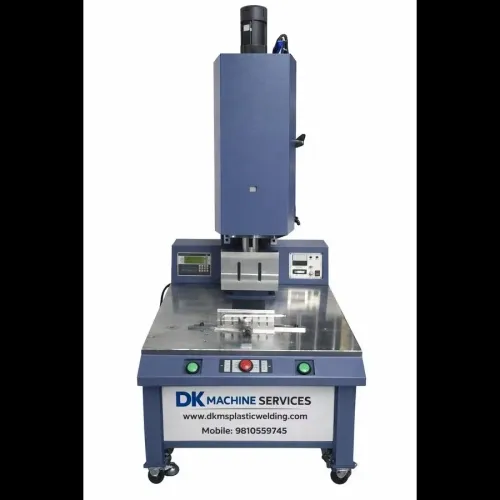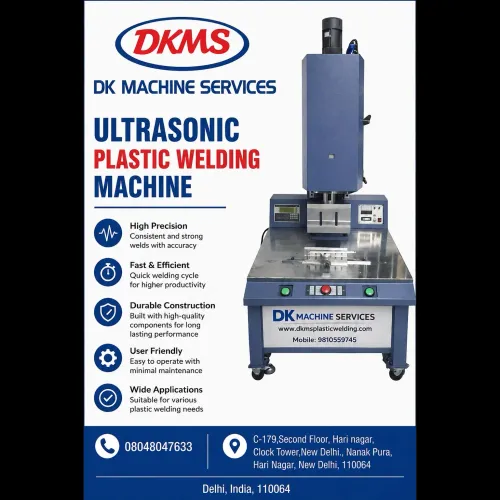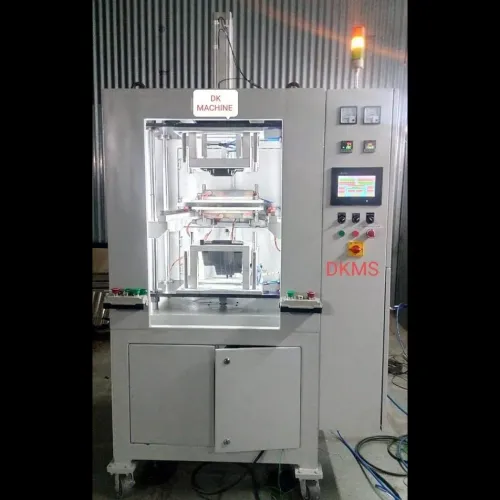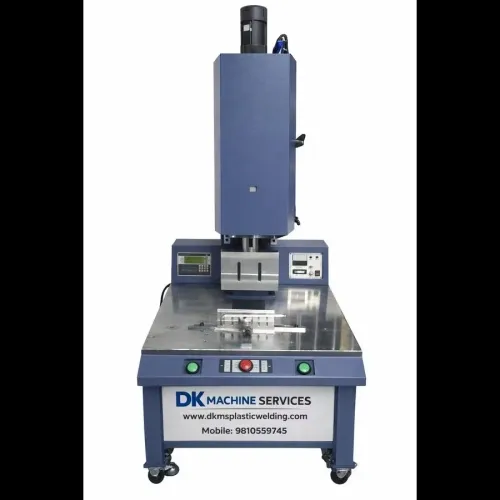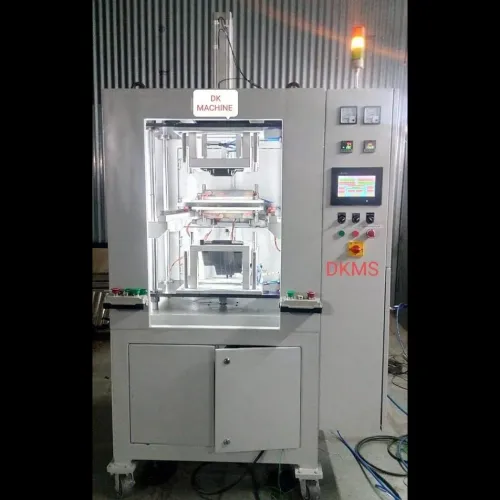
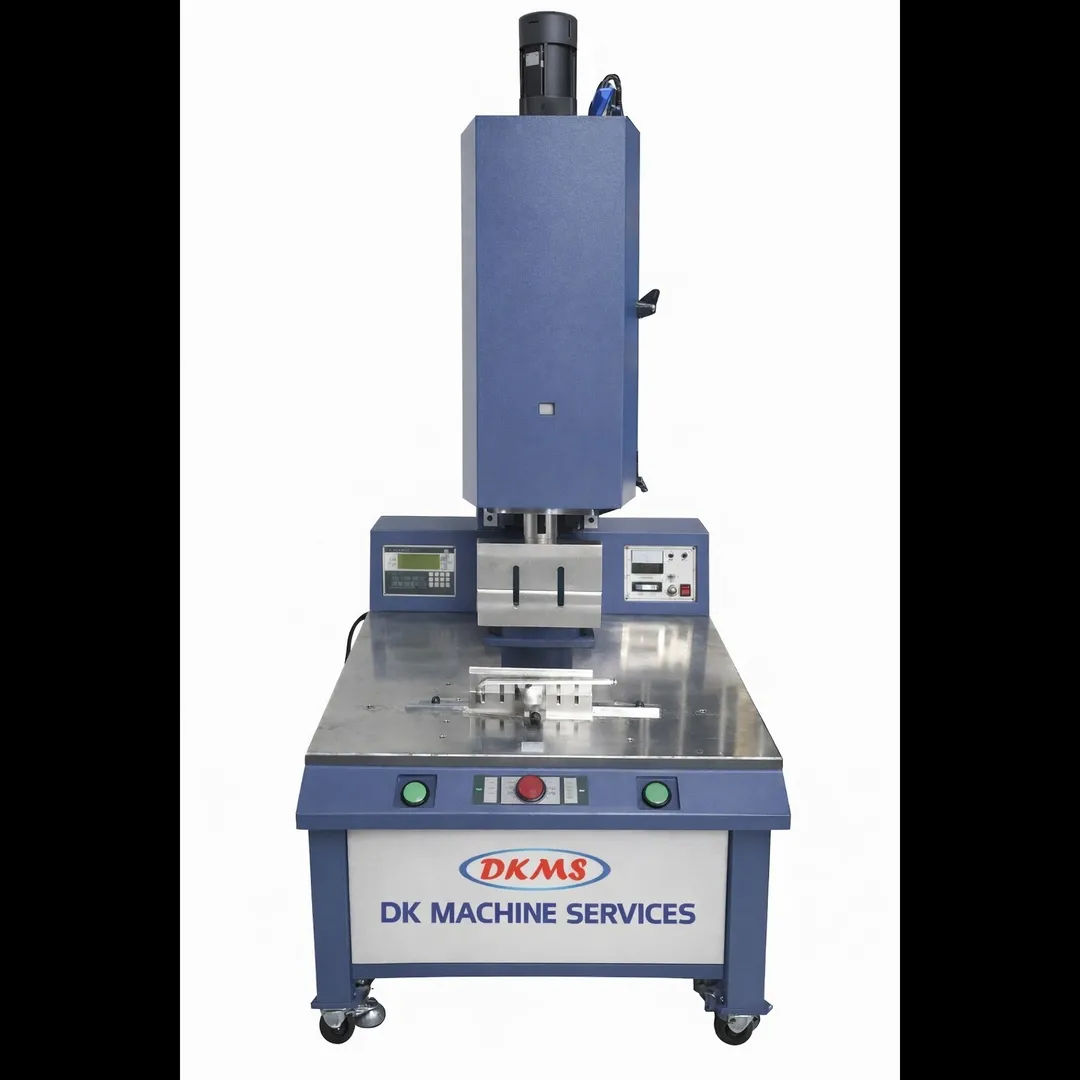
The automotive industry increasingly relies on lightweight, durable and precisely assembled plastic components. From interior panels and instrument clusters to lighting components, sensors, electrical housings and under-the-hood parts, manufacturers need reliable joining methods that can deliver consistent results at high production volumes. An ultrasonic plastic welding machine provides a fast, clean and repeatable solution for joining compatible thermoplastic automotive components.
For automotive component manufacturers, ultrasonic welding can reduce assembly time while producing strong and visually consistent joints without requiring adhesives, screws or additional fastening materials.
Why Use Ultrasonic Plastic Welding in Automotive Manufacturing?
Automotive plastic components often require accurate assembly with minimal deformation and a reliable joint. Ultrasonic welding uses high-frequency mechanical vibrations to generate localized heat at the joint area, allowing compatible thermoplastic parts to fuse together.
This process is particularly useful for automotive production because it can support rapid cycle times, repeatable welding parameters and clean assembly without additional consumables. Properly designed tooling can also help manufacturers achieve consistent results across large production batches.
Automotive Components Suitable for Ultrasonic Welding
Ultrasonic welding can be considered for a wide range of thermoplastic automotive components. Typical applications include plastic housings, electrical and electronic enclosures, instrument panel components, interior trim parts, sensor housings, lighting components, switches, connectors and other injection-moulded assemblies.
The suitability of ultrasonic welding depends on factors such as the plastic material, component geometry, joint design, wall thickness and required weld strength.
Benefits for Automotive Component Manufacturers
An ultrasonic plastic welding machine can help automotive manufacturers achieve faster assembly with controlled and repeatable welding cycles. The process does not normally require adhesives, which can simplify production and reduce consumable requirements.
The concentrated welding action also helps minimize the heat-affected area compared with some conventional thermal joining processes. With suitable horn and fixture design, manufacturers can achieve accurate positioning and consistent component assembly.
Importance of Horn and Fixture Design
For automotive applications, selecting the correct ultrasonic horn and fixture is critical. The horn transfers ultrasonic energy to the component, while the fixture supports and accurately positions the parts during welding.
Complex automotive components may require customized tooling designed around their geometry. A properly engineered horn and fixture combination can improve weld consistency, reduce component damage and support stable production cycles.
Choosing the Right Ultrasonic Welding Machine
Manufacturers should evaluate component material, component size, joint design, production volume and required weld strength before selecting an ultrasonic welding system. Operating frequency, power requirements, amplitude control and automation requirements should also be considered.
For high-volume automotive production, the machine should provide reliable parameter control and repeatable performance so that welding quality remains consistent from one production batch to another.
Applications Across Automotive Manufacturing
Ultrasonic plastic welding can be used across automotive interior, exterior, electrical and electronic component manufacturing. It can support the assembly of plastic parts used in passenger vehicles, commercial vehicles, electric vehicles and automotive subassemblies.
As automotive manufacturers increasingly adopt lightweight thermoplastic components and electrically integrated systems, reliable plastic joining technologies are becoming increasingly important.
Why Choose DK Machine Service?
DK Machine Service provides ultrasonic plastic welding solutions designed for industrial plastic component assembly. The company can support manufacturers with ultrasonic welding machines, ultrasonic hand guns, transducers, boosters, horns and customized tooling solutions.
For automotive component manufacturers, the right combination of machine configuration, welding parameters, horn and fixture design can help establish a reliable and efficient production process.
Frequently Asked Questions
Can ultrasonic welding be used for automotive plastic components?
Yes. Ultrasonic welding can be used for many compatible thermoplastic automotive components, including housings, interior parts, electrical components, sensors and other injection-moulded assemblies.
Which automotive plastics can be ultrasonically welded?
Materials such as ABS, PP, PC, PA and other thermoplastics may be suitable depending on their composition and joint design. Material compatibility and component geometry should be evaluated before selecting the welding process.
Is ultrasonic welding suitable for high-volume automotive production?
Yes. Its fast and repeatable welding cycles make ultrasonic welding suitable for many high-volume plastic assembly applications when the component and tooling are appropriately designed.
Do automotive applications require customized ultrasonic horns?
Many automotive components benefit from customized horns and fixtures because component shapes and welding locations can vary significantly. Tooling should be designed according to the specific component and weld joint.
How can I select the right ultrasonic welding machine for an automotive component?
The selection should consider the plastic material, component dimensions, joint design, required weld strength, production volume and automation requirements. A welding trial can help determine the appropriate machine configuration and tooling.
Conclusion
An ultrasonic plastic welding machine for automotive component manufacturing can provide a fast, clean and repeatable method for assembling compatible thermoplastic parts. With the correct machine, welding parameters, horn and fixture, automotive manufacturers can improve assembly consistency and support efficient high-volume production.
DK Machine Service can help automotive component manufacturers evaluate suitable ultrasonic welding equipment and customized tooling based on their specific application requirements.
For automotive component manufacturers, ultrasonic welding can reduce assembly time while producing strong and visually consistent joints without requiring adhesives, screws or additional fastening materials.
Why Use Ultrasonic Plastic Welding in Automotive Manufacturing?
Automotive plastic components often require accurate assembly with minimal deformation and a reliable joint. Ultrasonic welding uses high-frequency mechanical vibrations to generate localized heat at the joint area, allowing compatible thermoplastic parts to fuse together.
This process is particularly useful for automotive production because it can support rapid cycle times, repeatable welding parameters and clean assembly without additional consumables. Properly designed tooling can also help manufacturers achieve consistent results across large production batches.
Automotive Components Suitable for Ultrasonic Welding
Ultrasonic welding can be considered for a wide range of thermoplastic automotive components. Typical applications include plastic housings, electrical and electronic enclosures, instrument panel components, interior trim parts, sensor housings, lighting components, switches, connectors and other injection-moulded assemblies.
The suitability of ultrasonic welding depends on factors such as the plastic material, component geometry, joint design, wall thickness and required weld strength.
Benefits for Automotive Component Manufacturers
An ultrasonic plastic welding machine can help automotive manufacturers achieve faster assembly with controlled and repeatable welding cycles. The process does not normally require adhesives, which can simplify production and reduce consumable requirements.
The concentrated welding action also helps minimize the heat-affected area compared with some conventional thermal joining processes. With suitable horn and fixture design, manufacturers can achieve accurate positioning and consistent component assembly.
Importance of Horn and Fixture Design
For automotive applications, selecting the correct ultrasonic horn and fixture is critical. The horn transfers ultrasonic energy to the component, while the fixture supports and accurately positions the parts during welding.
Complex automotive components may require customized tooling designed around their geometry. A properly engineered horn and fixture combination can improve weld consistency, reduce component damage and support stable production cycles.
Choosing the Right Ultrasonic Welding Machine
Manufacturers should evaluate component material, component size, joint design, production volume and required weld strength before selecting an ultrasonic welding system. Operating frequency, power requirements, amplitude control and automation requirements should also be considered.
For high-volume automotive production, the machine should provide reliable parameter control and repeatable performance so that welding quality remains consistent from one production batch to another.
Applications Across Automotive Manufacturing
Ultrasonic plastic welding can be used across automotive interior, exterior, electrical and electronic component manufacturing. It can support the assembly of plastic parts used in passenger vehicles, commercial vehicles, electric vehicles and automotive subassemblies.
As automotive manufacturers increasingly adopt lightweight thermoplastic components and electrically integrated systems, reliable plastic joining technologies are becoming increasingly important.
Why Choose DK Machine Service?
DK Machine Service provides ultrasonic plastic welding solutions designed for industrial plastic component assembly. The company can support manufacturers with ultrasonic welding machines, ultrasonic hand guns, transducers, boosters, horns and customized tooling solutions.
For automotive component manufacturers, the right combination of machine configuration, welding parameters, horn and fixture design can help establish a reliable and efficient production process.
Frequently Asked Questions
Can ultrasonic welding be used for automotive plastic components?
Yes. Ultrasonic welding can be used for many compatible thermoplastic automotive components, including housings, interior parts, electrical components, sensors and other injection-moulded assemblies.
Which automotive plastics can be ultrasonically welded?
Materials such as ABS, PP, PC, PA and other thermoplastics may be suitable depending on their composition and joint design. Material compatibility and component geometry should be evaluated before selecting the welding process.
Is ultrasonic welding suitable for high-volume automotive production?
Yes. Its fast and repeatable welding cycles make ultrasonic welding suitable for many high-volume plastic assembly applications when the component and tooling are appropriately designed.
Do automotive applications require customized ultrasonic horns?
Many automotive components benefit from customized horns and fixtures because component shapes and welding locations can vary significantly. Tooling should be designed according to the specific component and weld joint.
How can I select the right ultrasonic welding machine for an automotive component?
The selection should consider the plastic material, component dimensions, joint design, required weld strength, production volume and automation requirements. A welding trial can help determine the appropriate machine configuration and tooling.
Conclusion
An ultrasonic plastic welding machine for automotive component manufacturing can provide a fast, clean and repeatable method for assembling compatible thermoplastic parts. With the correct machine, welding parameters, horn and fixture, automotive manufacturers can improve assembly consistency and support efficient high-volume production.
DK Machine Service can help automotive component manufacturers evaluate suitable ultrasonic welding equipment and customized tooling based on their specific application requirements.
Keywords