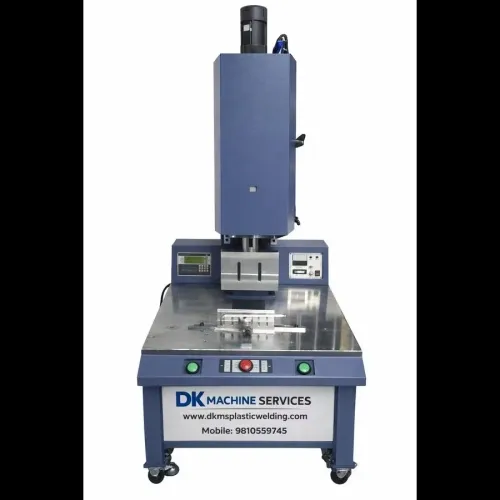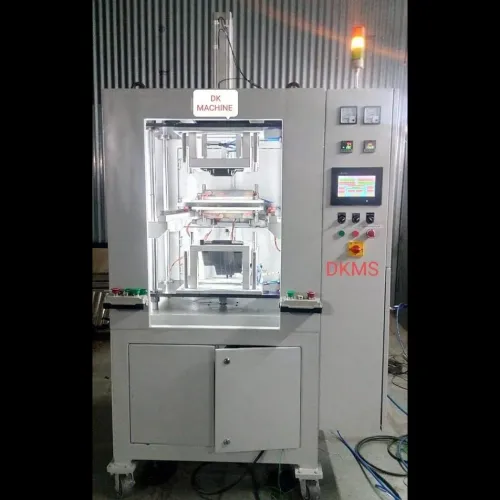


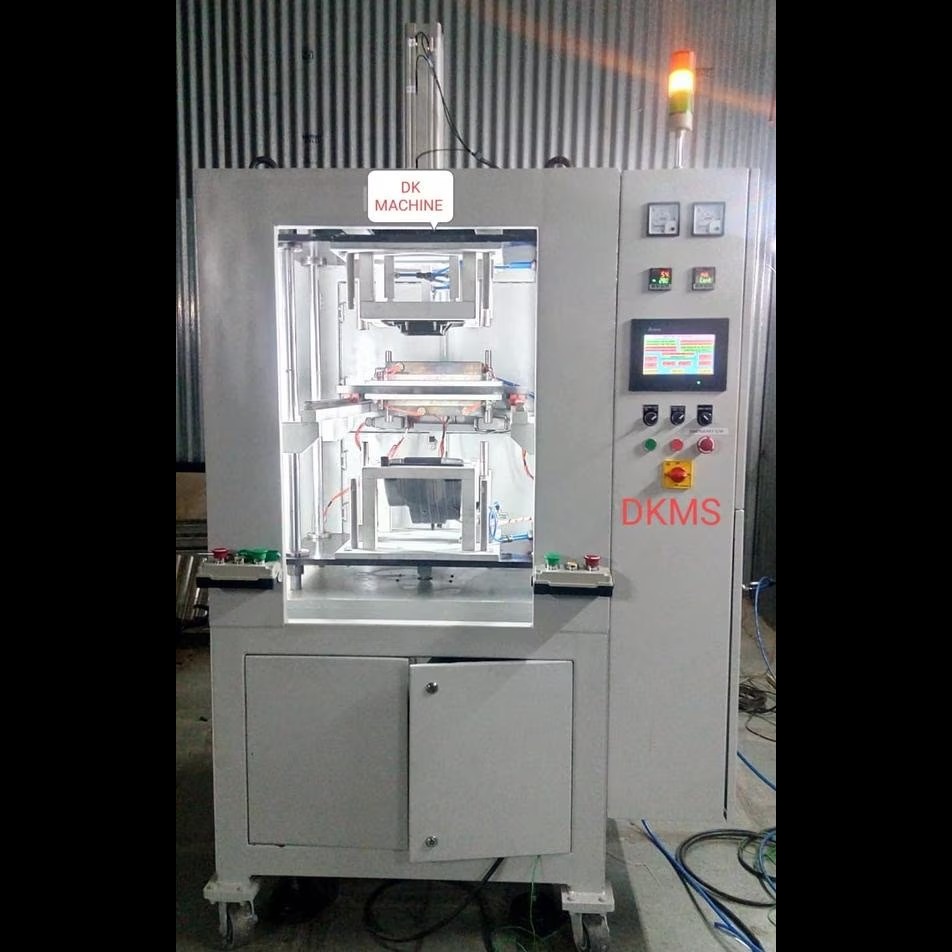
Ultrasonic plastic welding is a modern joining technology used to assemble compatible thermoplastic components without conventional adhesives, screws, or other mechanical fasteners. The process uses high-frequency mechanical vibrations to generate localized heat at the joining interface, allowing plastic components to bond together quickly and consistently. It is widely used in industries where clean assembly, repeatability, production speed, and controlled welding are important.
What Is Ultrasonic Plastic Welding?
Ultrasonic plastic welding is a process in which two thermoplastic parts are joined by applying high-frequency vibrations under controlled pressure. The vibrations are transmitted through an ultrasonic horn, also known as a sonotrode, to the components being assembled.
The mechanical vibration creates friction and molecular movement at the interface between the plastic parts. This produces localized heat that softens or melts the material in the joining area. Once the vibration stops, the material cools and solidifies under pressure, creating a permanent joint.
Unlike conventional heating methods, the process concentrates energy primarily at the joining interface rather than heating the entire component. This makes ultrasonic welding suitable for many precision plastic assembly applications.
How Does the Ultrasonic Welding Process Work?
The process begins by positioning the plastic components correctly in a fixture. The parts need to be properly aligned so that the intended welding area is positioned beneath the ultrasonic horn.
The welding machine then applies controlled pressure to hold the components together. When the ultrasonic system is activated, the transducer converts electrical energy into high-frequency mechanical vibration. This vibration travels through components such as the booster and horn before reaching the plastic parts.
As the horn applies vibration to the assembly, friction and molecular movement generate heat at the contact interface. The selected plastic material begins to soften or melt in the localized welding zone. The machine maintains the required pressure and vibration conditions for a predetermined welding cycle.
After the required energy or time has been delivered, ultrasonic vibration stops. The pressure can remain briefly while the softened material cools and solidifies. This creates the finished welded joint.
What Are the Main Components of an Ultrasonic Welding System?
An industrial ultrasonic plastic welding system generally consists of several coordinated components. The ultrasonic generator supplies the electrical energy required by the system. The transducer converts electrical energy into mechanical vibration, while the booster can modify the amplitude of that vibration.
The ultrasonic horn transfers the mechanical vibration to the plastic components. Its shape, frequency, amplitude and contact surface are important because the horn needs to deliver energy effectively to the intended welding area.
A fixture or tooling arrangement supports the components during welding. Proper tooling helps maintain alignment and stability while the welding cycle is taking place.
Why Is the Ultrasonic Horn Important?
The ultrasonic horn is one of the most important elements of the welding system because it directly transfers vibration to the component. Its design needs to correspond to the geometry and welding requirements of the application.
A properly designed horn can help distribute ultrasonic energy appropriately across the intended joining area. For complex or customized components, manufacturers may require application-specific horn and fixture designs rather than a standard tooling arrangement.
This is why selecting an experienced ultrasonic horn manufacturer can be important when developing a specialized plastic welding application.
Which Plastics Can Be Ultrasonically Welded?
Ultrasonic welding is primarily used with thermoplastic materials. However, not every plastic combination will produce the same welding results. Material compatibility, component design, melt characteristics, additives, joint geometry and other application factors can influence the quality of the finished joint.
When two different thermoplastics are being joined, their compatibility and melting behaviour should be evaluated before selecting the welding process. A practical application trial can help determine suitable welding parameters.
What Factors Affect Ultrasonic Welding Quality?
Several variables can influence the final weld. Material type, component geometry, joint design, welding amplitude, pressure, weld time, hold time and ultrasonic frequency all need to be considered.
The design of the energy director or welding interface can also influence how ultrasonic energy is concentrated. If the joint design does not direct sufficient energy to the intended area, the welding process may become inconsistent.
Machine settings should therefore be developed according to the specific component rather than applying identical parameters to every plastic product.
What Are the Advantages of Ultrasonic Plastic Welding?
Ultrasonic welding can provide fast joining cycles, repeatable assembly and a clean manufacturing process. Because the heat is generated locally at the joining interface, there is generally less need to heat the entire component.
The technology can also reduce dependence on adhesives and mechanical fasteners in suitable applications. This can simplify certain assembly processes and support automated manufacturing environments.
For high-volume production, repeatable welding cycles can help manufacturers maintain consistent assembly while reducing manual intervention.
Where Is Ultrasonic Plastic Welding Used?
Ultrasonic plastic welding is used across several manufacturing sectors. Automotive manufacturers may use the technology for selected plastic interior, exterior and functional components. Electronics manufacturers can use ultrasonic joining for compatible plastic housings and assemblies.
The technology can also be applied to medical and healthcare products, consumer goods, packaging components, electrical products, household appliances and other thermoplastic assemblies where controlled joining is required.
The exact suitability depends on the component material, design, required joint strength and production requirements.
Ultrasonic Welding vs Traditional Plastic Joining
Traditional plastic assembly methods can include adhesives, screws, heat-based processes and mechanical fastening. Ultrasonic welding provides an alternative approach in applications where compatible thermoplastics and suitable joint designs are available.
Unlike adhesive bonding, ultrasonic welding does not require a separate adhesive curing stage. Compared with mechanical fastening, it can eliminate certain hardware components. However, the most appropriate joining method depends on the product design, material combination, required joint performance and manufacturing environment.
How to Select an Ultrasonic Plastic Welding Machine?
Selecting an ultrasonic welding machine should begin with the component rather than the machine alone. Manufacturers should evaluate the plastic material, component dimensions, joint geometry, production volume, required welding strength, cycle time and level of automation.
Ultrasonic frequency, machine power, amplitude requirements, horn design and fixture configuration should then be considered according to the application. For high-volume production, automation and process monitoring may also be important considerations.
Why Choose DKMS Plastic Welding?
DKMS Plastic Welding provides ultrasonic plastic welding solutions for industrial manufacturing applications. The company works with equipment such as ultrasonic plastic welding machines, digital ultrasonic welding systems, ultrasonic hand-gun welding machines, spot welding equipment, ultrasonic horns, transducers and related components.
For manufacturers evaluating ultrasonic welding for a new component or production line, discussing the material, component design, production quantity and required welding process with an experienced supplier can help identify a suitable machine and tooling configuration.
Frequently Asked Questions
How does ultrasonic plastic welding generate heat?
The process generates localized heat through high-frequency mechanical vibration at the interface between compatible thermoplastic components. The resulting heat softens or melts the joining area, which then solidifies under controlled pressure.
Does ultrasonic welding require adhesive?
No. Ultrasonic plastic welding can join suitable thermoplastic components without using conventional adhesives. The process relies on mechanical vibration, pressure and localized heating at the joint.
How long does an ultrasonic plastic welding cycle take?
The cycle time depends on the material, component design, welding parameters and machine configuration. Ultrasonic welding is generally suited to applications where rapid repetitive assembly is required.
Can ultrasonic welding be automated?
Yes. Ultrasonic welding systems can be integrated into automated production lines depending on the component and manufacturing requirements. Automation can include component handling, positioning, welding and process monitoring.
Is ultrasonic welding suitable for all plastics?
No. Material compatibility and component design are important factors. Thermoplastic materials that have suitable welding characteristics can be evaluated for ultrasonic joining through application testing.
What is an ultrasonic horn?
An ultrasonic horn is the tooling component that transfers high-frequency mechanical vibration from the ultrasonic system to the plastic component. Its geometry and design are selected according to the application.
Build a Reliable Plastic Welding Process
Understanding how ultrasonic plastic welding works is the first step toward selecting the right equipment for a manufacturing application. The material, component geometry, joint design, welding parameters, ultrasonic horn and fixture all contribute to the final result.
DKMS Plastic Welding can help manufacturers evaluate ultrasonic welding equipment and related tooling for their specific production requirements. Share your component details, material, production volume and welding requirements to discuss a suitable ultrasonic plastic welding solution.