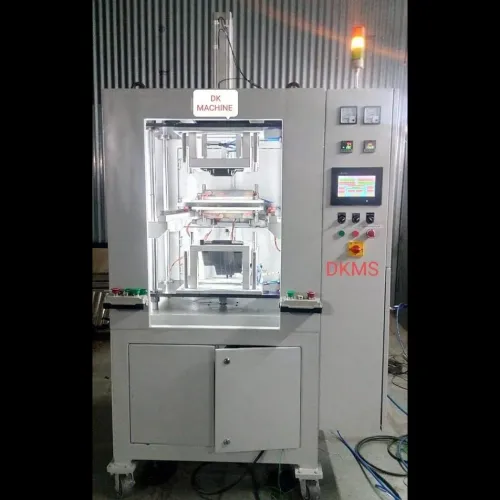
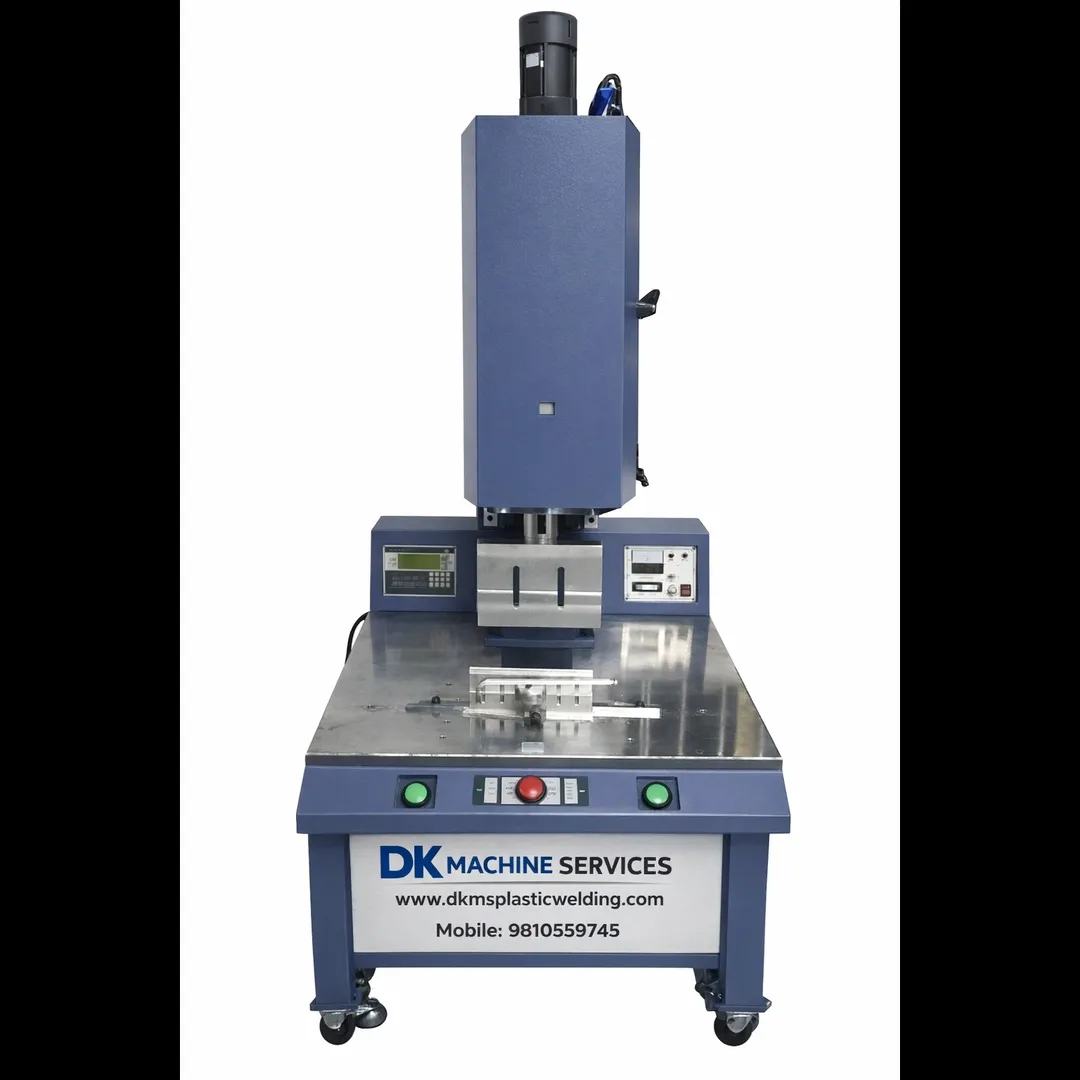
How Ultrasonic Plastic Welding Improves Production Efficiency
When manufacturers, production managers, factory owners, automotive companies, electronics manufacturers, packaging industries, and OEM businesses search online, they often use keywords such as Ultrasonic Plastic Welding Machine, Industrial Plastic Welding Solutions, Production Efficiency in Manufacturing, Plastic Joining Technology, Ultrasonic Welding for Automotive Components, and Ultrasonic Welding Machine Manufacturer. As industries focus on increasing productivity while maintaining product quality, ultrasonic plastic welding has become one of the most efficient manufacturing technologies available today.
Introduction
In today's competitive manufacturing environment, production efficiency is a critical factor for business success. Manufacturers are constantly looking for technologies that can reduce production time, lower operational costs, improve product quality, and increase output.
Ultrasonic plastic welding offers a modern and highly effective solution for joining thermoplastic components quickly and accurately. By using high-frequency ultrasonic vibrations to create strong molecular bonds between plastic parts, this technology helps manufacturers streamline production processes and achieve higher operational efficiency.
What is Ultrasonic Plastic Welding?
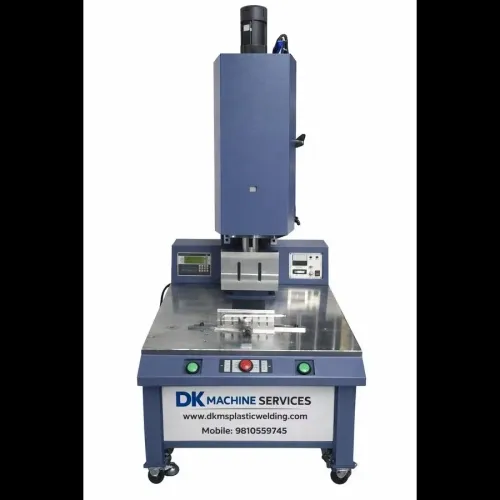
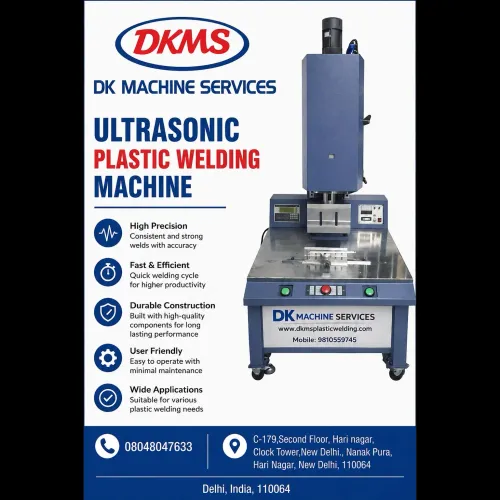
Ultrasonic plastic welding is a process that uses high-frequency mechanical vibrations to generate heat at the interface of two plastic components. The heat softens the material and creates a strong bond without the need for adhesives, screws, solvents, or additional fastening materials.
The process is fast, precise, and suitable for a wide range of plastic materials used in industrial manufacturing.
Why Production Efficiency Matters in Manufacturing
Production efficiency directly affects:
Manufacturing Costs
Higher efficiency helps reduce labor costs, material waste, and operational expenses.
Product Quality
Consistent manufacturing processes improve product reliability and reduce defects.
Delivery Timelines
Faster production enables manufacturers to meet customer deadlines and increase customer satisfaction.
Business Growth
Efficient production systems support higher output and help businesses scale operations more effectively.
Ways Ultrasonic Plastic Welding Improves Production Efficiency
Faster Welding Cycles
One of the biggest advantages of ultrasonic plastic welding is its speed.
Traditional joining methods may require additional curing, drying, or fastening processes. Ultrasonic welding completes the joining process within seconds, significantly reducing cycle times and increasing production output.
This allows manufacturers to process more units within the same production shift.
Reduced Assembly Time
Ultrasonic welding combines joining and bonding into a single operation.
Because there is no need for additional adhesives, screws, or fastening components, manufacturers can simplify assembly procedures and reduce labor requirements.
This streamlined process improves overall workflow efficiency and shortens production schedules.
Improved Product Consistency
Consistency is essential for high-volume manufacturing operations.
Ultrasonic welding machines provide precise control over welding parameters, ensuring repeatable results across production batches.
Consistent weld quality helps manufacturers maintain product standards while reducing variations and defects.
Lower Material Costs
Traditional assembly methods often require additional consumables such as adhesives, solvents, fasteners, or mechanical hardware.
Ultrasonic welding eliminates these requirements, helping manufacturers reduce material costs and simplify inventory management.
Reduced Product Rejection Rates
Defective products can significantly impact manufacturing profitability.
Ultrasonic welding creates strong and reliable joints, reducing the likelihood of assembly failures and product defects.
Lower rejection rates contribute directly to improved production efficiency and cost savings.
Minimal Energy Consumption
Compared to many conventional joining methods, ultrasonic welding consumes relatively low amounts of energy.
Because the process generates heat only at the weld interface and operates for very short cycles, manufacturers benefit from reduced energy costs and improved operational efficiency.
Automation Compatibility
Ultrasonic plastic welding systems can be easily integrated into automated production lines.
Automation allows manufacturers to:
Increase Production Capacity
Improve Process Consistency
Reduce Human Error
Lower Labor Costs
Enhance Production Speed
Automated ultrasonic welding systems are widely used in modern manufacturing facilities focused on high-volume production.
Industries Benefiting from Ultrasonic Plastic Welding
Automotive Manufacturing
Automotive companies use ultrasonic welding for dashboards, lighting assemblies, filters, interior trims, and
When manufacturers, production managers, factory owners, automotive companies, electronics manufacturers, packaging industries, and OEM businesses search online, they often use keywords such as Ultrasonic Plastic Welding Machine, Industrial Plastic Welding Solutions, Production Efficiency in Manufacturing, Plastic Joining Technology, Ultrasonic Welding for Automotive Components, and Ultrasonic Welding Machine Manufacturer. As industries focus on increasing productivity while maintaining product quality, ultrasonic plastic welding has become one of the most efficient manufacturing technologies available today.
Introduction
In today's competitive manufacturing environment, production efficiency is a critical factor for business success. Manufacturers are constantly looking for technologies that can reduce production time, lower operational costs, improve product quality, and increase output.
Ultrasonic plastic welding offers a modern and highly effective solution for joining thermoplastic components quickly and accurately. By using high-frequency ultrasonic vibrations to create strong molecular bonds between plastic parts, this technology helps manufacturers streamline production processes and achieve higher operational efficiency.
What is Ultrasonic Plastic Welding?
Ultrasonic plastic welding is a process that uses high-frequency mechanical vibrations to generate heat at the interface of two plastic components. The heat softens the material and creates a strong bond without the need for adhesives, screws, solvents, or additional fastening materials.
The process is fast, precise, and suitable for a wide range of plastic materials used in industrial manufacturing.
Why Production Efficiency Matters in Manufacturing
Production efficiency directly affects:
Manufacturing Costs
Higher efficiency helps reduce labor costs, material waste, and operational expenses.
Product Quality
Consistent manufacturing processes improve product reliability and reduce defects.
Delivery Timelines
Faster production enables manufacturers to meet customer deadlines and increase customer satisfaction.
Business Growth
Efficient production systems support higher output and help businesses scale operations more effectively.
Ways Ultrasonic Plastic Welding Improves Production Efficiency
Faster Welding Cycles
One of the biggest advantages of ultrasonic plastic welding is its speed.
Traditional joining methods may require additional curing, drying, or fastening processes. Ultrasonic welding completes the joining process within seconds, significantly reducing cycle times and increasing production output.
This allows manufacturers to process more units within the same production shift.
Reduced Assembly Time
Ultrasonic welding combines joining and bonding into a single operation.
Because there is no need for additional adhesives, screws, or fastening components, manufacturers can simplify assembly procedures and reduce labor requirements.
This streamlined process improves overall workflow efficiency and shortens production schedules.
Improved Product Consistency
Consistency is essential for high-volume manufacturing operations.
Ultrasonic welding machines provide precise control over welding parameters, ensuring repeatable results across production batches.
Consistent weld quality helps manufacturers maintain product standards while reducing variations and defects.
Lower Material Costs
Traditional assembly methods often require additional consumables such as adhesives, solvents, fasteners, or mechanical hardware.
Ultrasonic welding eliminates these requirements, helping manufacturers reduce material costs and simplify inventory management.
Reduced Product Rejection Rates
Defective products can significantly impact manufacturing profitability.
Ultrasonic welding creates strong and reliable joints, reducing the likelihood of assembly failures and product defects.
Lower rejection rates contribute directly to improved production efficiency and cost savings.
Minimal Energy Consumption
Compared to many conventional joining methods, ultrasonic welding consumes relatively low amounts of energy.
Because the process generates heat only at the weld interface and operates for very short cycles, manufacturers benefit from reduced energy costs and improved operational efficiency.
Automation Compatibility
Ultrasonic plastic welding systems can be easily integrated into automated production lines.
Automation allows manufacturers to:
Increase Production Capacity
Improve Process Consistency
Reduce Human Error
Lower Labor Costs
Enhance Production Speed
Automated ultrasonic welding systems are widely used in modern manufacturing facilities focused on high-volume production.
Industries Benefiting from Ultrasonic Plastic Welding
Automotive Manufacturing
Automotive companies use ultrasonic welding for dashboards, lighting assemblies, filters, interior trims, and
Keywords